
 By
By 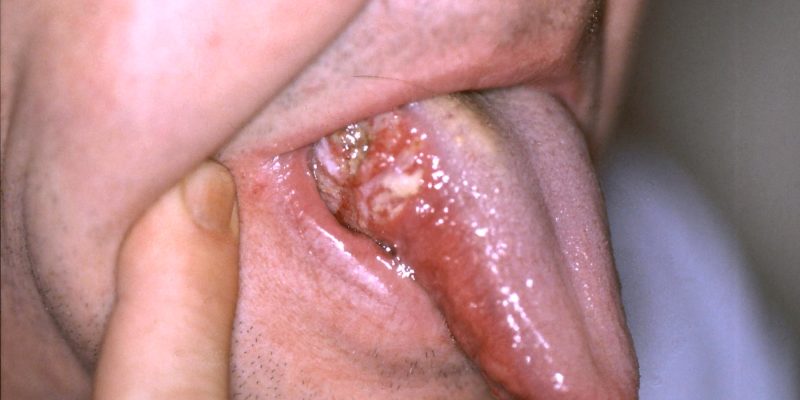
Oral cancer is one of the major health concerns in India because many common lifestyle habits can increase risk over time. It may affect the lips, tongue, gums, inner cheeks, floor of the mouth, roof of the mouth, or other parts of the oral cavity. In many people, the disease begins with changes that are easy to ignore, such as a small ulcer, a patch, discomfort while chewing, or a change in the way the mouth feels.
Understanding risk factors does not mean assuming that every person with a risk factor will develop cancer. It means knowing which habits and conditions deserve attention. According to the World Health Organization’s guidance on oral health and oral cancer risk factors, tobacco, alcohol, and areca nut, also known as betel quid, are among the leading causes of oral cancer. Human papillomavirus, or HPV, is also relevant in some mouth and throat cancers.
For patients who have warning signs or have been advised further evaluation, consulting an experienced specialist for Oral Cancer Treatment in Mumbai can help them understand diagnosis, staging, and treatment options in a structured manner.
Tobacco Use
Tobacco is one of the strongest risk factors for oral cancer. In India, tobacco is used in many forms, including cigarettes, bidis, gutkha, khaini, zarda, mawa, paan with tobacco, and other smokeless preparations. Both smoked and smokeless tobacco can expose the lining of the mouth to harmful chemicals.
Smokeless tobacco is especially concerning because it is often kept in direct contact with the gums, cheek, or lips for long periods. This repeated exposure can irritate the tissues and may lead to white patches, red patches, thickening, ulcers, or precancerous changes.
Many users believe that chewing tobacco is safer than smoking because it does not affect the lungs in the same way. This is a dangerous misunderstanding. Chewed tobacco can directly damage the mouth and is strongly linked with oral cancer risk.
Areca Nut, Betel Quid, and Gutkha
Areca nut, often used in betel quid or gutkha, is another important risk factor. Some people assume that areca nut is harmless if tobacco is not added, but public health sources recognise areca nut and betel quid use as leading contributors to oral cancer risk. The WHO includes areca nut and betel quid use among major oral cancer risk factors.
Regular chewing may cause burning, stiffness, reduced mouth opening, and changes in the inner lining of the mouth. One condition associated with areca nut use is oral submucous fibrosis, in which the mouth gradually becomes less flexible. People with this condition may find it difficult to open the mouth fully, eat spicy food, or move the tongue comfortably.
Any persistent tightness, burning, or difficulty opening the mouth should be evaluated by a doctor or dentist.
Alcohol Consumption
Alcohol is also a recognised risk factor for oral cavity and related cancers. The risk becomes higher when alcohol and tobacco are used together. The National Cancer Institute explains that tobacco and alcohol together can greatly increase the risk of oral cavity, oropharyngeal, hypopharyngeal, and laryngeal cancers.
Alcohol may make the lining of the mouth more vulnerable to harmful substances in tobacco. People who both drink heavily and use tobacco may therefore face a much greater risk than those who do neither.
Patients should be honest with their doctor about alcohol use. This information helps the specialist assess risk and provide appropriate advice. Reducing or stopping alcohol, especially along with quitting tobacco, can be an important step in prevention.
Poor Oral Hygiene and Long-Term Irritation
Poor oral hygiene may contribute to chronic irritation and inflammation in the mouth. Broken teeth, sharp tooth edges, ill-fitting dentures, and untreated dental infections can also irritate the oral lining. While irritation alone may not always cause cancer, it can make it harder to notice early warning signs or may worsen existing problems.
Regular dental check-ups are important, especially for people who use tobacco, chew areca nut, or drink alcohol. Dentists can identify suspicious patches, ulcers, or tissue changes early and refer patients for further evaluation.
Good oral hygiene includes brushing properly, cleaning the tongue gently, managing gum disease, treating cavities, and ensuring dentures fit correctly.
Human Papillomavirus Infection
Human papillomavirus, commonly called HPV, is associated with some cancers in the mouth and throat region. HPV is more strongly linked with oropharyngeal cancers, which involve areas such as the tonsils and base of the tongue. The Centers for Disease Control and Prevention explains that HPV can infect the mouth and throat and may lead to cancers in the oropharynx years after infection.
HPV-related cancers may occur in people who do not have the traditional risk factors of tobacco or heavy alcohol use. This is one reason why persistent symptoms should not be ignored even in non-smokers.
Warning Signs That Need Attention
Risk awareness is useful only when people act on symptoms early. Warning signs of oral cancer may include an ulcer that does not heal, a red or white patch, a lump in the mouth or neck, pain while chewing, difficulty swallowing, loose teeth without clear reason, bleeding, numbness, change in speech, or reduced tongue movement.
A sore area caused by accidental biting or hot food usually improves within a short time. A mouth ulcer or patch that persists beyond two weeks should be checked. Painless symptoms should also be taken seriously because early cancers may not always cause severe pain.
Why Early Diagnosis Matters
Oral cancer outcomes are generally better when the disease is found early. Smaller lesions may require less extensive treatment, while advanced cancers may need a combination of surgery, radiation, chemotherapy, reconstruction, and rehabilitation. Early diagnosis can also help preserve speech, swallowing, appearance, and quality of life.
This is why people with risk factors should not wait for symptoms to become severe. Regular oral examination is particularly important for tobacco users, areca nut users, heavy alcohol users, and those with previous oral lesions.
Practical Prevention Steps
The most important preventive step is to avoid tobacco in all forms. People who already use tobacco should seek help to quit instead of trying to reduce casually without support. Quitting may be difficult because nicotine is addictive, but medical counselling, behavioural support, and structured cessation plans can help.
Avoiding areca nut and gutkha is also important. Alcohol should be reduced or avoided, especially in people with tobacco habits. Maintaining oral hygiene, treating dental problems, eating a balanced diet, and attending dental check-ups can also support mouth health.
People should examine their mouth regularly in good light. The tongue, gums, cheeks, lips, and floor of the mouth should be observed for ulcers, patches, lumps, swelling, or colour changes. Self-checks do not replace professional evaluation, but they can help people notice changes earlier.
Conclusion
Oral cancer risk in India is closely linked with habits such as tobacco use, areca nut chewing, betel quid use, gutkha consumption, and alcohol use. Poor oral hygiene, chronic irritation, and HPV infection may also play a role. Knowing these risks allows people to take prevention seriously and seek help before symptoms progress.
Anyone with a non-healing ulcer, unexplained patch, lump, bleeding, numbness, or difficulty chewing or swallowing should consult a qualified specialist. Early attention can make diagnosis clearer and treatment more effective.











Comments