
 By
By 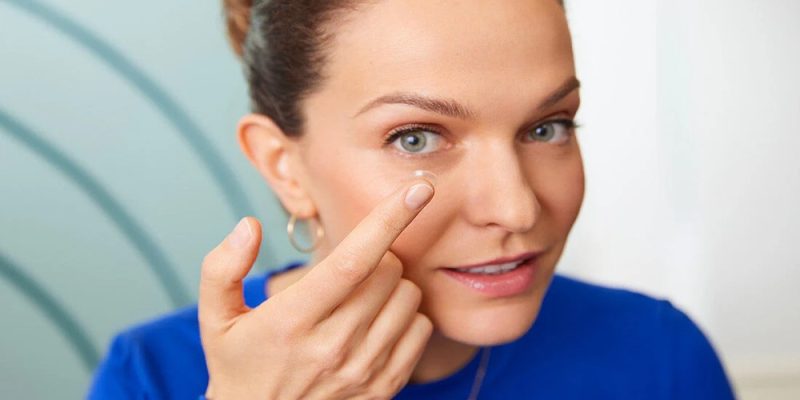
Contact lenses can be a practical option for people who want clear vision without wearing spectacles throughout the day. They are commonly used by students, working professionals, sportspersons, travellers, and people who prefer a wider field of vision than glasses can provide. However, choosing contact lenses should not be treated like buying a simple accessory. Since lenses sit directly on the surface of the eye, the right choice depends on vision needs, eye health, lifestyle, comfort, hygiene habits, and professional guidance.
Many people begin by asking which brand or type of lens is best. A better question is: which contact lens is best suited for my eyes and daily routine? For those exploring contact lenses in Mumbai, a professional eye check-up can help identify the right lens type, fit, and care routine.
Why Contact Lens Selection Matters
Contact lenses correct vision by sitting on the tear film over the cornea, which is the clear front surface of the eye. Because they remain in close contact with the eye for several hours, even small fitting issues can cause discomfort, dryness, redness, or blurred vision.
An incorrect lens power may lead to eye strain. A poorly fitting lens may move too much or too little. A lens that does not suit the patient’s tear quality may feel dry by afternoon. In some cases, careless use can increase the risk of infection.
This is why contact lenses should ideally be selected after an eye examination and contact lens fitting. The process helps assess prescription power, corneal shape, tear quality, eye surface health, and wearing needs.
Daily Disposable Lenses
Daily disposable lenses are worn once and discarded at the end of the day. They are often preferred by people who want convenience and hygiene. Since a fresh pair is used each day, there is no need for cleaning solution or lens storage.
These lenses may suit people with busy routines, occasional wearers, travellers, and those who do not want the responsibility of daily lens cleaning. They can also be useful for people who wear lenses only for events, meetings, sports, or social occasions.
However, daily lenses may cost more over time if used every day. The eye care professional can help compare comfort, cost, and usage frequency before recommending them.
Monthly or Fortnightly Lenses
Monthly and fortnightly lenses are designed to be reused for a fixed period, provided they are cleaned and stored properly. They may be suitable for regular contact lens users who are comfortable following a hygiene routine.
These lenses require proper cleaning solution, a clean lens case, and careful handling. Users must not extend the use beyond the recommended replacement schedule. Wearing old lenses can increase deposits on the lens surface, reduce comfort, and raise the risk of eye irritation.
People choosing reusable lenses must be honest about their habits. If a person is unlikely to clean and store lenses carefully, daily disposable lenses may be safer.
Contact Lenses for Screen Users
Many people in Mumbai spend long hours on computers, smartphones, and tablets. Screen use can reduce blinking, which may lead to dryness and discomfort during contact lens wear.
For screen-heavy routines, lens material and moisture performance become important. The eye care professional may also check for dry eye symptoms before recommending lenses. Lubricating drops may be advised in some cases, but they should be suitable for contact lens use and prescribed or approved by a professional.
Screen users should take regular breaks, blink consciously, stay hydrated, and avoid wearing lenses longer than advised.
Contact Lenses for Sports and Fitness
Contact lenses can be helpful during physical activity because they do not slip, fog, or interfere with helmets and protective gear. They also provide a wider field of vision than glasses, which may be useful in sports.
However, lens use during sports still requires care. Contact lenses should not be exposed to swimming pool water, seawater, or lake water because this can increase the risk of serious eye infections. Swimmers should ask an eye care professional about safer alternatives, such as prescription swimming goggles.
For outdoor sports, dust and wind may cause dryness or irritation. Protective eyewear may still be necessary, even when contact lenses are worn.
Contact Lenses for Occasional Use
Some people do not want to wear contact lenses every day but prefer them for weddings, parties, photoshoots, travel, or professional events. Occasional wearers still need proper fitting and instructions.
A common mistake is buying lenses only for cosmetic or convenience reasons without checking fit and eye health. Even occasional use can cause problems if the lens is unsuitable or handled carelessly.
Those who use lenses rarely should practise insertion and removal before the event day. They should also know how long they can safely wear the lenses and what to do if discomfort occurs.
Cosmetic and Coloured Contact Lenses
Coloured contact lenses are popular for changing or enhancing eye appearance. However, they are still medical devices that sit on the eye. They should be fitted and used with the same seriousness as clear prescription lenses.
Poor-quality cosmetic lenses or lenses shared with others can cause irritation, scratches, allergic reactions, or infections. Users should never share lenses, even for a short time. They should also avoid buying lenses from unreliable sources.
Eye health should always come before appearance.
Hygiene Rules Every Lens User Should Follow
Good hygiene is essential for safe contact lens wear. Hands should be washed and dried before touching lenses. Lenses should be cleaned only with the recommended solution. Tap water should never be used for cleaning or storing lenses.
Lens cases should be cleaned, dried, and replaced regularly. Users should not sleep in contact lenses unless specifically advised by an eye care professional. Lenses should be removed immediately if there is redness, pain, watering, unusual discharge, or sudden blurred vision.
Patients should attend follow-up visits as advised, even if the lenses feel comfortable. Some early signs of irritation or oxygen-related stress may be detected during examination.
When Contact Lenses May Not Be Suitable
Contact lenses may not be suitable for everyone. People with severe dry eye, repeated eye infections, certain allergies, poor hygiene habits, or specific corneal conditions may be advised against regular lens use. In some cases, treatment may be needed before lenses can be tried.
A professional assessment helps avoid unnecessary discomfort and risk. It also gives the wearer a better chance of finding lenses that remain comfortable through the day.
Conclusion
Choosing the right contact lenses depends on more than prescription power. Lifestyle, screen use, sports, travel, hygiene habits, eye surface health, and comfort expectations all matter. Daily disposable lenses may suit some people, while reusable lenses may work well for others. Cosmetic lenses and occasional-use lenses also require proper fitting and careful handling.
The safest approach is to consult an eye care professional before starting or changing contact lenses. With the right lens type, correct fitting, and responsible hygiene, contact lenses can become a comfortable and useful part of everyday vision care.










Comments