
 By
By 
A cancer diagnosis in Patna usually brings a second, equally stressful question: where should treatment happen? Families in Bihar have more options today than a decade ago, but comparing them is hard when you are frightened and short on time. This guide explains what to look for, what to ask, and how supportive care fits around the oncologist’s plan.
Start with the type of care you need
Cancer care is not one service. Depending on the diagnosis, a patient may need:
- Diagnostics: biopsy, histopathology, CT or PET-CT, MRI and blood work to confirm the type and stage.
- Medical oncology: chemotherapy, targeted therapy, hormone therapy or immunotherapy.
- Surgical oncology: tumour removal and reconstructive procedures.
- Radiation oncology: planned radiotherapy using a linear accelerator.
- Supportive and integrative care: managing side effects, nutrition, fatigue and emotional wellbeing while the main treatment continues.
Many families assume a single building will provide everything. In practice, patients in Patna often use a combination: a tertiary hospital or regional cancer institute for the main treatment, and a separate centre for supportive care. Knowing which piece you are choosing makes the search less overwhelming.
What to look for in a cancer centre in Patna
When you are comparing a patna cancer hospital for the main treatment, these points matter more than the size of the lobby:
- A tumour board. Ask whether a medical, surgical and radiation oncologist discuss cases together. A multidisciplinary review reduces the chance of a one-sided treatment plan.
- In-house or linked diagnostics. Confirm whether histopathology, immunohistochemistry and PET-CT are available on-site or outsourced, and how long reports take.
- Specialists for your cancer type. Breast, head and neck, gastrointestinal, blood and gynaecological cancers each benefit from doctors who see that disease regularly.
- Radiotherapy equipment and planning. If radiation is likely, ask what machines are used and whether planning is done by a qualified medical physicist.
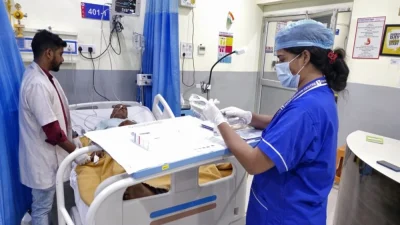
- Infection control and day-care chemotherapy. Clean day-care units allow many patients to go home the same day.
- Scheme and insurance acceptance. Check whether the hospital is empanelled under Ayushman Bharat PM-JAY, Bihar state schemes, CGHS or your private insurer.
Questions to ask at the first consultation
Carry a notebook or let a family member take notes. Useful questions include:
- What is the exact type and stage, and which tests confirmed it?
- What are the treatment options, and why is this one recommended?
- What side effects should we expect, and who do we call if they occur at night?
- How many cycles or sessions are planned, and what is the indicative cost?
- Can the treatment plan be shared in writing so another doctor can review it?
- Is a second opinion welcome? A good oncologist will say yes.
Understanding costs in Patna
Treatment costs vary widely with the cancer type, stage, hospital category and whether a scheme covers you. As a rough, approximate guide for Patna: a chemotherapy cycle may range from about INR 10,000 to over INR 1,00,000 depending on the drugs; a full course of radiotherapy may fall between roughly INR 1,00,000 and 3,00,000; and major cancer surgery can run from INR 1,50,000 to several lakh. Targeted drugs and immunotherapy are usually far costlier. These figures are only indicative and change with the hospital and the case; the treating doctor and the hospital billing desk give the actual estimate.
Where supportive integrative care fits
The oncologist’s treatment targets the tumour. Supportive care targets the person going through that treatment. Nausea, loss of appetite, weakness, low mood, sleep problems and worry about the family are common during chemotherapy and radiation, and they are not minor issues. When they go unmanaged, patients sometimes skip cycles or lose weight they cannot afford to lose.
Supportive integrative centres work alongside the oncologist, not instead of them. Cancer Healer Center, for example, runs a cancer hospital in Patna at RR Plaza on West Boring Canal Road, open 10am to 7pm, where patients already under an oncologist’s care can get help with energy, appetite, nutrition and overall wellbeing before and during chemo-radiation. Its approach, described on its site as Cancer Healer Therapy, is a herbal-based supportive therapy taken alongside conventional treatment. It is not a replacement for surgery, chemotherapy, radiation, targeted therapy or immunotherapy, and no patient should stop, delay or change prescribed treatment to take it.
Practical points when adding supportive care:
- Tell your oncologist about every supplement, herbal preparation or therapy you take, so interactions can be checked.
- Keep one file with all reports, prescriptions and discharge summaries; the centre’s patient journey page explains how a single coordinator helps organise this.
- Use online consultations for follow-ups when travel from districts such as Gaya, Muzaffarpur or Darbhanga is difficult.
When to seek urgent care
During treatment, go to the nearest emergency department immediately if the patient has a fever above 38°C after chemotherapy, uncontrolled vomiting, breathing difficulty, chest pain, heavy bleeding, sudden confusion or a seizure. Do not wait for the next appointment.
A simple way to decide
Shortlist two or three centres. Visit each, ask the questions above, and compare the written treatment plans. Choose a patna cancer hospital where the oncologist explains clearly, the diagnostics are reliable and the costs are transparent. Then add supportive care that coordinates with that plan, so the patient can get through treatment in better shape.
Disclaimer: This article is for general information only and is not a substitute for medical advice. Please consult a qualified oncologist before starting, changing or adding any cancer treatment or supportive therapy.







Comments