
 By
By 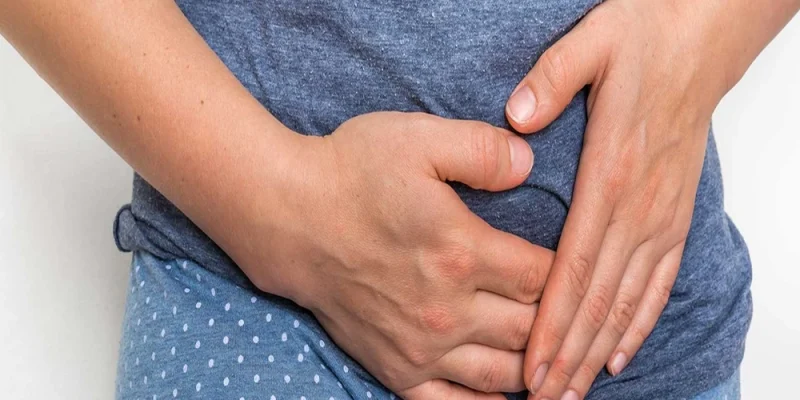
Irregular periods are common, but persistent changes in the menstrual cycle can sometimes be associated with polycystic ovary syndrome, commonly called PCOS. The 2023 International Evidence-based Guideline for PCOS emphasises that diagnosis should be based on recognised clinical criteria and appropriate exclusion of other causes rather than symptoms or an ultrasound finding alone. PCOS can also affect metabolic, reproductive, psychological and long-term health, which is why assessment should consider more than fertility.
What is PCOS?
PCOS is a hormonal and metabolic condition that can affect people during their reproductive years.
Its features vary considerably. One person may mainly experience irregular periods, while another may notice excess facial hair, acne or difficulty becoming pregnant.
Possible features include:
- Irregular or infrequent periods
- Long gaps between menstrual cycles
- Excess facial or body hair
- Persistent acne
- Scalp hair thinning
- Difficulty conceiving
- Weight gain or difficulty managing weight
- Darkened skin in certain areas
Having one of these symptoms does not automatically mean a person has PCOS.
How is PCOS diagnosed?
There is no single blood test that confirms every case.
The clinician may review menstrual history, symptoms associated with higher androgen levels, medicines, weight changes, family history and previous pregnancies.
Blood tests may be used to assess hormones and exclude other conditions. Depending on the person’s circumstances, glucose, cholesterol or other metabolic measurements may also be considered.
An ultrasound can provide useful information about the ovaries, but ovarian appearance should not be treated as a diagnosis on its own. The international guideline specifically promotes evidence-based diagnostic criteria and avoidance of unnecessary testing.
Could irregular periods have another cause?
Yes.
Possible causes include:
- Pregnancy
- Thyroid disease
- Significant weight change
- Very intense exercise
- Stress
- Certain medicines
- High prolactin levels
- Perimenopause
- Other hormonal conditions
This is one reason self-diagnosing PCOS from social-media symptoms can be misleading.
Does PCOS only matter when someone wants a baby?
No.
Fertility is one part of PCOS care, but it is not the only part.
People with PCOS may have increased risks related to glucose regulation, cholesterol, blood pressure and other metabolic factors. The guideline also highlights the importance of psychological wellbeing and individualised lifestyle management.
Someone who is not planning pregnancy may still benefit from regular medical follow-up.
How is PCOS treated?
Treatment depends on the person’s main concern.
Options may include lifestyle support, treatment for irregular periods, acne or unwanted hair growth, metabolic-risk management and fertility treatment when required.
There is no single diet, supplement or medicine that is appropriate for every person.
Lifestyle changes should also not be framed as punishment or as proof that PCOS exists only because of body weight. People at different body sizes can have PCOS.
What about fertility?
Many people with PCOS become pregnant naturally or with treatment.
When pregnancy is desired, the clinician may first assess whether ovulation is occurring and whether there are any additional fertility factors.
It is important not to assume that every delay in conception is caused by PCOS. Fertility assessment may need to consider both partners.
When should irregular periods be assessed?
Arrange a medical review when:
- Periods remain persistently irregular
- Menstrual cycles suddenly change
- There are very long gaps between periods
- Bleeding is unusually heavy
- New excess hair growth or severe acne develops
- Pregnancy is desired but not occurring
- There are symptoms suggesting another hormonal disorder
Cura Hospitals’ gynaecology and obstetrics service currently includes management of PCOS and hormonal disorders, infertility evaluation, adolescent gynaecology, menopause care and other reproductive-health concerns. Readers seeking individual assessment can review its information on PCOS and hormonal disorder care.
Seek urgent medical attention for very heavy bleeding accompanied by fainting, severe pelvic pain, suspected pregnancy with significant pain or bleeding, or other rapidly worsening symptoms.
This article is for general education and does not replace an individual gynaecological assessment.





Comments