
 By
By 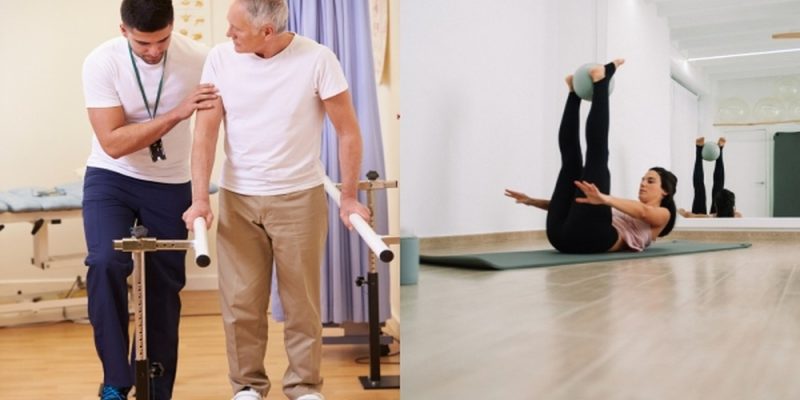
Pilates and Physiotherapy Together: Relieving Chronic Pain
Chronic pain is defined as discomfort lasting more than three months. It often continues long after an initial injury or illness has healed. Conditions like arthritis, fibromyalgia, and post-surgical recovery are common sources.
This persistent pain presents a complex health challenge. A successful strategy must extend beyond traditional pain management. It requires a multifaceted, movement-based approach to create lasting change.
The disciplines of Pilates and physiotherapy form a powerful, complementary partnership. Together, they build a comprehensive treatment framework. This framework addresses both the physical manifestations and underlying causes of ongoing discomfort.
There is growing recognition within clinical practice for this combined method. For issues like back pain, the integration offers outcomes superior to single-modality interventions. It shifts the focus towards functional restoration and sustainable relief.
This article explores how merging these therapies supports a holistic, patient-centred model of care. The goal moves past temporary symptom management towards long-term well-being.
Key Takeaways
- Chronic pain is discomfort that persists for over three months.
- It is a complex condition that necessitates a multifaceted treatment strategy.
- Pilates and physiotherapy are complementary disciplines that work in synergy.
- Their combined use is gaining traction in clinical settings for better results.
- This integrated approach prioritises functional restoration and long-lasting relief.
- It represents a shift towards more holistic, patient-centred care models.
- The focus is on addressing root causes, not just managing symptoms.
Introduction to a Holistic Pain Management Approach
The prevalence of long-term pain presents a considerable challenge to both individual well-being and national healthcare systems. A modern holistic approach recognises that effective care must look beyond the physical symptom. It considers the psychological and social factors that influence a person’s experience of discomfort.
Overview of Chronic Pain in the United Kingdom
Persistent discomfort is widespread across the UK. It significantly impacts the quality of life and functional capacity of many individuals. Specific data highlights the scale of the issue.
For instance, studies suggest low back pain incidence can be as high as 84% in the adult population. From 1990 to 2015, years lived with disability from this cause rose by 54%. This trend underscores a growing public health concern.
Integrating Exercise for Lasting Relief
Contemporary strategies increasingly position physical activity as a cornerstone of care. Sedentary behaviour is a known risk factor for developing ongoing pain.
Conversely, evidence shows that people who engage in regular exercise report less discomfort over a 12-month period. Integrating structured movement into a treatment plan represents a shift from passive to active management. This empowers the individual towards sustainable recovery.
Understanding the Role of Pilates in Pain Relief
The Pilates training system uniquely focuses on developing deep core musculature. This is fundamental for spinal support and pain reduction. Created by Joseph Pilates, it trains muscles like the transversus abdominis and multifidus.
These muscles form an inner corset, stabilising the spine and pelvis. Enhanced core strength offloads pressure from sensitive structures. This can alleviate discomfort and prevent further strain.
Core Strengthening and Postural Benefits
Systematic Pilates exercises build endurance in these deep muscles. The method emphasises precision over repetition. This cultivates optimal posture and movement patterns.
Retraining the body corrects imbalances that contribute to back pain. Improved postural alignment distributes load more efficiently. This reduces undue stress on joints and soft tissues.
Enhancing Flexibility and Mobility
Controlled, progressive movement is a hallmark of the practice. It gently improves joint range and mobility. This approach reduces muscular tension and stiffness.
The low-impact nature makes it suitable for those with pain sensitivity. It safely increases flexibility without exacerbating symptoms. Better flexibility supports freer, more comfortable daily activity.
Exploring the Contribution of Physiotherapy
Physiotherapy stands as a fundamental pillar in contemporary rehabilitation, offering a science-led pathway to restore movement and comfort. It provides a structured framework for recovery, focusing on restoring optimal function.
This discipline begins with a detailed assessment. A physiotherapist analyses posture, gait, and specific movements. This process identifies muscular imbalances and movement dysfunctions contributing to discomfort.
Modern Techniques in Rehabilitation
Today’s physiotherapy employs a diverse toolkit. Treatment plans are highly individualised. They often combine hands-on manual therapy with prescribed therapeutic exercise.
For patients, this means learning new, safer ways to move. Neuromuscular re-education retrains the body’s patterns. Functional movement training then applies these patterns to daily tasks.
Modern Physiotherapy Techniques for Rehabilitation
|
Technique Category |
Primary Goal |
Common Applications |
|
Manual Therapy |
Improve joint mobility & reduce tissue tension |
Spinal manipulation, soft tissue massage |
|
Therapeutic Exercise Prescription |
Build strength, endurance, and stability |
Core stabilisation, progressive resistance training |
|
Neuromuscular Re-education |
Correct faulty movement patterns |
Balance training, proprioceptive drills |
|
Functional Movement Training |
Restore ability for daily activities |
Squatting, lifting, reaching tasks |
Programmes are progressive. They start with achievable tasks to build confidence. The focus is on meaningful activity that does not exacerbate symptoms.
A core part of care is patient education. People learn about pain mechanisms and self-management strategies. This knowledge empowers them, reducing fear and preventing future injury.
Every intervention is grounded in evidence-based practice. Clinical research directly informs treatment decisions. This ensures the best possible outcomes in rehabilitation.
Benefits of Integrated Pilates and Physiotherapy for Chronic Pain Management
For individuals living with ongoing discomfort, a combined therapeutic approach offers advantages beyond isolated interventions. Robust clinical research now substantiates this model for superior pain management. A synthesis of high-quality studies provides the evidence base for these significant benefits.
Clinical Research and Meta-Analysis Findings
A major meta-analysis examined 19 randomised controlled trials involving 1,108 patients. It found that Pilates-based exercise delivered statistically significant improvements. The standardised mean difference for pain relief was -1.31, indicating a strong positive effect.
This data supports the core advantages of a unified programme. Compared to single-modality care, integrated strategies yield better results. They enhance physical function, elevate overall quality of life, and reduce measurable disability.
The synergistic effect extends beyond physical metrics. Patients often report improved psychological wellbeing and greater confidence in movement. This fosters long-term health and supports functional independence.
Ultimately, this evidence-based framework promotes sustainable recovery. It empowers individuals through active treatment, potentially reducing reliance on passive interventions.
Pilates and Physiotherapy: Research and Clinical Evidence
The growing body of research examining Pilates and physiotherapy reveals compelling data on functional improvement. Randomised controlled trials provide the highest standard of evidence for clinical practice.
These studies help validate the role of structured exercise in comprehensive care plans.
Key Outcomes from Randomised Controlled Trials
A major meta-analysis synthesised 19 trials involving over 1,100 patients. The analysis demonstrated statistically significant improvements across multiple measures.
Participants had conditions lasting from several months to over a decade. The average intervention period was nearly seven weeks.
Summary of Key Statistical Outcomes from Meta-Analysis
|
Outcome Measure |
Result (Mean Difference) |
Statistical Significance |
|
Pain Scale (Standardised Mean Difference) |
-1.31 |
p |
|
Oswestry Disability Index |
-4.35 points |
p |
|
Roland-Morris Disability Questionnaire |
-2.26 points |
p = 0.04 |
These numbers represent clinically meaningful changes. They translate to reduced pain and better daily function for individuals.
The research also noted positive effects on shoulder-neck discomfort and lower back pain. Enhanced joint mobility and better balance were additional findings.
Comparative Benefits Over Traditional Treatments
When compared to minimal intervention or usual care, the combined approach shows superior results. Patients often experience sustained relief and improved quality of life for months after treatment ends.
This evidence supports a shift towards active, movement-based strategies. It highlights the value of Pilates and physiotherapy within a modern pain management framework.
Researchers acknowledge limitations like sample size variations. Longer-term studies will further clarify these comparative advantages.
Mechanisms Behind Exercise and Pain Alleviation
The body’s response to regular movement involves sophisticated neurological and inflammatory changes. Exercise elicits multimodal effects across the biopsychosocial spectrum. It alters systems from the peripheral nerves to central pain processing centres.
Neuromuscular and Inflammatory Responses
Regular physical activity triggers important neuromuscular adaptations. These enhance motor control and improve muscle coordination. Optimised movement patterns reduce mechanical stress on sensitive structures within the body.
Controlled exercise also modulates the inflammatory response. It helps reduce systemic inflammation markers. This process supports tissue healing in individuals with persistent pain.
Neuroplastic changes are another key mechanism. Repeated movement practice reorganises neural pathways. It enhances the body‘s natural descending pain inhibition, reducing central sensitisation.
This activity stimulates the release of endogenous opioids. These neurochemicals produce analgesic effects. They contribute to both immediate relief and long-term pain reduction.
Improved circulation and nutrient delivery support these processes. Furthermore, exercise addresses psychological factors like fear of movement. This improves overall health outcomes for patients.
Customised Strategies for Individual Needs
No two people experience long-term pain in exactly the same way. This reality necessitates highly individualised care strategies. Effective treatment must move beyond standardised protocols to address unique needs.
A successful approach recognises that the optimal type of exercise varies per person. Not all individuals respond similarly, and some may experience temporary flare-ups. Accommodations are essential based on health status, ability, age, and clinical conditions.
Personalised Programme Design
Comprehensive assessment forms the foundation. Practitioners evaluate movement patterns, pain responses, and functional limits. They also consider psychosocial factors like fear or distress.
Exercise prescription is then tailored to individual tolerance. Progression is careful, challenging patients without causing exacerbation. This method ensures safety and efficacy for diverse populations.
Key predictors of a poorer outcome guide this process. These include high pain intensity, longer duration, or multiple-site discomfort. Addressing these early helps shape a more effective plan.
Adapting to Specific Pain Conditions
Strategies differ significantly for various conditions. For back pain, the focus might be on core stability and spinal mobility. For joint issues or fibromyalgia, gentler range-of-motion work takes priority.
Practitioners modify intensity, duration, and exercise complexity. The goal is to keep interventions therapeutic, not provocative. This is vital for patients with heightened sensitivity.
Psychological factors are integral to this adaptation. High fear of movement or pain catastrophising requires specific therapeutic approaches. Building confidence and modifying beliefs empowers individuals in their recovery.
Ultimately, care is dynamic. Ongoing assessment allows programmes to evolve with a patient’s progress. This personalised model supports sustainable pain management and better long-term outcomes for chronic pain sufferers.
Exploring Core Pilates Techniques for Targeted Relief
Mastering a few foundational Pilates techniques can provide significant relief for those struggling with ongoing spinal issues. These specific pilates exercises focus on precise, controlled movements.
They are designed to build strength and improve flexibility where it matters most. This approach directly targets common sources of discomfort.
Pelvic Curl and Spine Stretch Methodologies
The Pelvic Curl is a fundamental exercise. It gently mobilises the spine and strengthens the lower back.
Lifting the pelvis off the mat engages the deep abdominal core. This action stretches the spine and reduces stiffness.
The Spine Stretch is a seated movement. It promotes spinal flexibility and alleviates tension throughout the back.
This exercise encourages a gentle, forward flexion. It helps decompress the vertebral segments.
Modified Leg Slides for Safety and Effectiveness
Modified Leg Slides safely engage the core. The exercise strengthens abdominal muscles without stressing the lower back or hips.
Sliding one leg at a time maintains stability in the pelvis. This controlled movement is key for building foundational strength.
Each of these pilates exercises can be adapted. Modifications ensure safe practice for varying pain levels and capabilities.
Key Pilates Exercises for Targeted Relief
|
Exercise |
Primary Focus |
Key Safety Note |
|
Pelvic Curl |
Spinal mobilisation & lower back strength |
Initiate movement from the deep core, not the glutes. |
|
Spine Stretch |
Spinal flexibility & tension release |
Keep the movement slow; avoid rounding the shoulders. |
|
Modified Leg Slide |
Core stability & abdominal strength |
Maintain pelvis stillness; slide only as far as control allows. |
Optimising Home Exercise Routines>
Establishing a consistent home practice is the bridge between clinical guidance and lasting independence in movement. The challenge lies in creating a routine that is safe, effective, and achievable without direct supervision.
Success depends on selecting the right exercises. These should be simple to perform and directly support functional goals.
Building a Sustainable Practice
Gradual progression is essential. Start with a conservative exercise plan. Slowly increase the challenge as confidence and body awareness grow.
Even brief daily sessions yield meaningful results. Consistency with time is far more valuable than occasional long workouts.
Practical strategies enhance adherence. Set clear, achievable goals. Modify your environment to make activity convenient.
Learn to recognise your body‘s signals. Expected muscle fatigue differs from sharp pain that requires rest.
Understanding why movement helps builds commitment. This knowledge turns a prescribed task into a chosen practice.
Integrate Pilates into daily life. Perform gentle exercises while waiting for the kettle to boil. Adapt sessions based on your energy.
Initial struggles are normal. They are part of the process, not a sign of failure. A sustainable practice develops patiently over time.
Integrating Mindfulness and Breathwork in Treatment
The deliberate integration of mindfulness principles transforms movement practice into a powerful tool for self-regulation. This approach shifts the focus from purely physical execution to attentive, present-moment awareness.
Such mindful engagement cultivates a refined sense of body awareness. Individuals learn to recognise subtle muscular tensions and inefficient postural habits.
Enhancing Body Awareness and Mental Clarity
This heightened perception directly influences movement quality and control. It allows for the correction of patterns that contribute to discomfort.
Coordinated breathwork further supports this process. Controlled breathing patterns calm the autonomic nervous system.
They reduce protective muscle guarding and modulate pain perception. This creates a physiological state conducive to relaxation and safer movement exploration.
Together, these practices address the emotional dimensions of persistent pain. They can reduce anxiety, promote better sleep, and foster a greater sense of personal agency over one’s physical state.
Expert Insights from The Physio Practice UK
Professional guidance transforms theoretical knowledge into practical, personalised recovery plans. At The Physio Practice UK, experienced clinicians apply this principle daily. They help individuals find movement routines that work for their unique bodies.
A comprehensive assessment always comes first. Practitioners analyse biomechanical function, movement patterns, and personal goals. This informs a tailored treatment plan that addresses multiple factors simultaneously.
Successful care requires addressing both physical and psychological elements. This includes muscular imbalances, movement fears, and unhelpful pain beliefs. Expert physiotherapy and Pilates integration creates a seamless framework.
Clinical decision-making is dynamic. Patients are monitored closely, with programmes adjusted based on their responses. This professional supervision ensures safety and enhances adherence.
Ongoing education for both practitioner and client is vital. It builds a collaborative relationship and fosters sustainable progress. This expert-led approach empowers people towards lasting wellbeing.
Accessing Professional Guidance at The Physio Practice
Small group settings and individual attention form the cornerstone of effective therapeutic environments. This model allows practitioners to monitor technique closely. They provide immediate feedback to ensure safety throughout each session.
At The Physio Practice, instructors are trained to work with clients of all abilities. They offer modifications to ensure every pilates movement is safe and effective for unique conditions. This personalised approach is central to their methodology.
A comprehensive initial assessment identifies individual needs. It establishes clear goals and informs a customised treatment plan. This plan skilfully blends physiotherapy principles with tailored pilates exercises.
Regular review sessions allow for programme adjustments based on progress. This ongoing care supports patients as they integrate professional guidance with their home practice. The result is a comprehensive strategy for sustainable improvement.
Conclusion
Ultimately, reclaiming an active life from persistent discomfort requires a proactive, tailored plan. Robust research supports this combined movement and rehabilitation strategy. It leads to measurable reductions in pain and significant gains in daily function.
For conditions like lower back pain, the synergy between Pilates and clinical care is clear. Personalised programmes address unique physical and psychological needs. This fosters sustainable recovery and empowers individuals.
Seeking guidance from qualified practitioners is a crucial first step. A comprehensive assessment ensures a safe, effective path forward. This approach helps people move beyond limitations towards improved quality of life.
FAQ
How does combining Pilates with physiotherapy help with long-term pain?
This integrated approach tackles pain from multiple angles. Physiotherapy provides expert assessment and hands-on treatment to address the root cause of an issue, such as joint stiffness or muscle weakness. Pilates then builds on this foundation by teaching controlled movement, improving core stability, and enhancing overall body awareness. Together, they promote better posture, increase mobility, and retrain the body to move safely, leading to more sustainable relief and a reduced risk of future injury.
Is this approach suitable for someone with severe back pain?
Yes, when guided by a qualified professional. A chartered physiotherapist will first conduct a thorough assessment to understand the specific nature of the severe lower back pain. They can then design a rehabilitation programme that begins with very gentle, modified movements, often incorporating fundamental Pilates principles. The focus is on safe, pain-free activation of the deep core muscles and restoring basic mobility before progressing to more challenging activity. This cautious, individualised care is key to effective management.
What makes this method different from standard pain medication or rest?
While medication may mask symptoms and rest can be necessary acutely, an integrated exercise-based strategy aims for active recovery. It works to improve the underlying function of the body-strengthening supportive muscles, increasing joint flexibility, and enhancing neuromuscular control. This not only helps alleviate discomfort but also builds resilience. Research indicates that such active management can improve long-term quality of life more effectively than passive treatments alone, empowering individuals in their own recovery.
Can I perform these exercises safely at home?
Absolutely, once you have received proper instruction from a specialist. Clinics like The Physio Practice UK emphasise educating patients on correct technique. Your physiotherapist will prescribe a personalised home routine, often derived from Pilates-based exercises, that matches your current ability and goals. They will teach you how to listen to your body, maintain good form, and use breathwork effectively. Building this sustainable practice at home is crucial for long-term success in pain management.
How do I get started with a combined Pilates and physiotherapy programme?
The first step is to seek a professional consultation with a practice that offers this blended approach, such as The Physio Practice. A chartered physiotherapist will assess your specific condition, pain history, and movement patterns. They will then explain how a tailored plan, potentially incorporating clinical Pilates exercises, can address your needs. This plan is continually adapted as you progress, ensuring your treatment remains relevant and effective for your journey towards better health.








Comments