 By
By 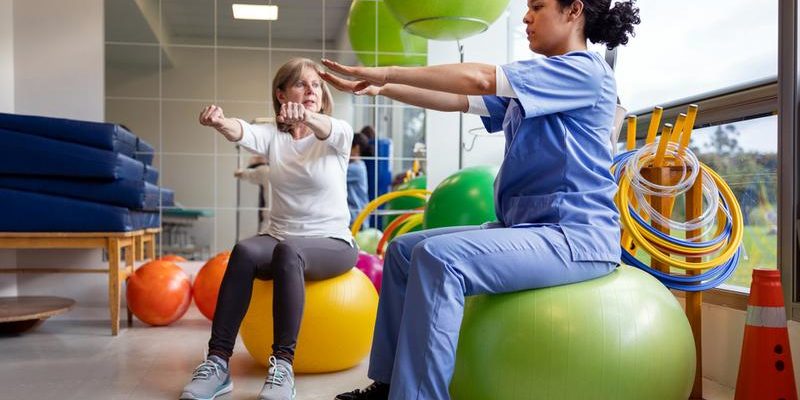
Recovering from a brain injury is often a long and challenging journey. The initial focus is usually on medical stabilization and acute rehabilitation, but true recovery extends far beyond the hospital or therapy clinic. Long-term support and access to the right resources play a critical role in helping individuals regain independence, improve quality of life, and manage the physical, cognitive, and emotional impacts of their injury. Understanding the range of resources available and how to integrate them into a comprehensive recovery plan is essential for patients, families, and caregivers navigating brain injury recovery.
Medical and Rehabilitation Support
Ongoing medical care is a cornerstone of long-term brain injury recovery. Even after discharge from acute care, patients often require regular follow-ups with neurologists, rehabilitation specialists, and primary care providers to monitor progress and address complications. Rehabilitation can continue for months or years, depending on the severity of the injury.
Physical therapy, occupational therapy, and speech-language therapy remain vital components of sustained brain injury recovery. These therapies focus on regaining mobility, improving coordination, restoring daily living skills, and enhancing communication. Specialized rehabilitation programs may also incorporate cognitive therapy to help with memory, attention, and problem-solving challenges. The consistent guidance of medical and rehabilitation professionals ensures that recovery progresses safely and effectively, while helping patients adapt to new limitations or abilities.
Emotional and Psychological Resources
Brain injury recovery is not only physical but also emotional and psychological. Many individuals experience anxiety, depression, or mood changes as a result of the injury, and these factors can significantly impact long-term recovery. Access to counseling, therapy, and support groups provides essential emotional support during this period.
Psychologists and licensed counselors trained in brain injury rehabilitation can assist patients and families in developing coping strategies, managing stress, and navigating behavioral changes. Support groups, both in-person and online, offer opportunities to connect with others who have experienced similar challenges. Sharing experiences and learning from peers can reduce feelings of isolation and provide practical insights into day-to-day management of recovery. Integrating emotional support into the recovery plan is essential for maintaining motivation and resilience over the long term.
Community and Educational Resources
Beyond medical and psychological support, community and educational resources can significantly enhance brain injury recovery. Many organizations provide access to adaptive equipment, vocational rehabilitation, and educational programs designed to help patients re-enter school, work, or community activities. These resources enable individuals to regain independence and pursue meaningful roles despite the effects of their injury.
Local and national brain injury associations offer educational workshops, advocacy programs, and resource directories that help patients and families understand their rights and access necessary services. In addition, programs focused on life skills training and social reintegration are invaluable for helping patients adjust to changes in cognitive function or physical ability. By leveraging these resources, individuals can build a supportive network that extends well beyond the clinical setting, fostering long-term recovery and personal growth.
Family and Caregiver Support
Families and caregivers are integral to the success of brain injury recovery. Providing care for someone with a brain injury can be physically and emotionally demanding, requiring patience, knowledge, and ongoing support. Access to caregiver education, respite services, and counseling helps families manage these responsibilities without experiencing burnout.
Training programs and informational resources equip caregivers with practical strategies for assisting with daily activities, managing behavioral challenges, and facilitating therapy exercises at home. Support networks for caregivers provide a safe space to share experiences and gain guidance from others in similar situations. Recognizing the importance of caregiver well-being is crucial, as a supported caregiver is better able to contribute positively to the patient’s long-term recovery.
Long-term brain injury recovery is a multifaceted process that involves ongoing medical care, emotional support, community resources, and active family involvement. By understanding the variety of resources available and integrating them into a comprehensive recovery plan, patients and caregivers can navigate the challenges of rehabilitation more effectively. Access to consistent medical guidance, therapeutic interventions, psychological support, and educational and vocational resources creates an environment conducive to sustained improvement and meaningful participation in daily life.
Ultimately, the journey of brain injury recovery extends far beyond immediate medical treatment. It requires a coordinated approach that addresses the physical, cognitive, emotional, and social dimensions of healing. With long-term support and the right resources, individuals can maximize their potential for independence, maintain quality of life, and achieve the best possible outcomes after a brain injury.






Comments