
 By
By 
PCP near me vs family doctor-learn the real differences, benefits, and which one is right for your healthcare needs.
A PCP (primary care physician) and a family doctor often overlap, but they are not always the same. A PCP is your main healthcare provider for routine care, while a family doctor is a type of PCP trained to treat patients of all ages.
Ever searched “pcp near me” and wondered if that’s the same as a family doctor? You’re not alone. Many people use these terms interchangeably, but they aren’t exactly identical.
Here’s the simple answer: A family doctor is a type of primary care physician (PCP), but not all PCPs are family doctors. PCP is a broader term that includes several specialties, while family doctors focus on treating patients of all ages.
Understanding this difference helps you choose the right provider for your needs. Let’s break it down step by step so you can make confident healthcare decisions.
What Is A PCP (Primary Care Physician)? 🩺
A primary care physician (PCP) is your first point of contact for most health concerns. They handle routine checkups, preventive care, and general medical issues. Think of them as your healthcare “home base.”
PCPs help manage your overall health. They track your medical history and guide you through treatments. If you need specialized care, they refer you to experts.
There are different types of PCPs, including:
- Internal medicine doctors
- Family medicine doctors
- Pediatricians
- Geriatricians
Each type serves a specific patient group, but all focus on long-term health.
What Is A Family Doctor? 👨⚕️👩⚕️
A family doctor is a medical professional trained to care for patients of all ages. From newborns to seniors, they handle a wide range of health concerns.
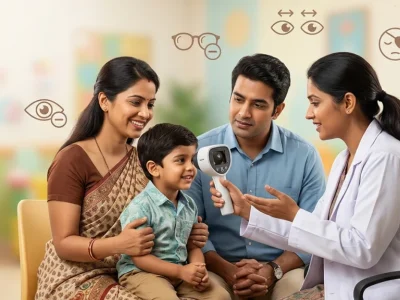
Unlike some PCPs who specialize in adults or children, family doctors treat entire families. This makes them a convenient choice for households.
They offer services like:
- Annual physical exams
- Vaccinations
- Chronic disease management
- Minor injury care
Family doctors build long-term relationships with patients, which helps them provide personalized care.
Before choosing a provider, many people search terms like primary care physician or pcp near me to find local options. These searches often bring up a mix of doctors, including family physicians and internal medicine specialists. Knowing the difference helps you filter results and pick the right fit.
When you look for a primary care physician, you’re really searching for someone to manage your overall health. Typing pcp near me usually shows nearby clinics, urgent care centers, and private practices. Understanding what each provider offers ensures you don’t waste time or choose the wrong type of doctor.
Key Differences Between PCP And Family Doctor ⚖️
The main difference lies in scope and specialization. A PCP is a broad category, while a family doctor is a specific type within that category.
Here’s a quick comparison:
|
Feature |
PCP |
Family Doctor |
|---|---|---|
|
Definition |
General healthcare provider |
Type of PCP |
|
Age Range |
Depends on specialty |
All ages |
|
Scope |
Broad |
Family-focused |
|
Specialization |
Varies |
Family medicine |
So, all family doctors are PCPs, but not all PCPs are family doctors.
Types Of PCPs You Should Know 🧠
PCPs come in different specialties. Each one serves a unique purpose based on patient needs.
Common types include:
- Internal Medicine Doctors – Focus on adults
- Pediatricians – Care for children
- Geriatricians – Treat older adults
- Family Physicians – Treat all ages
Choosing the right type depends on your age and health concerns. For example, a pediatrician wouldn’t treat adults.
When Should You Choose A Family Doctor? 🏡
A family doctor is ideal if you want one provider for your entire household. This simplifies healthcare and builds strong doctor-patient relationships.
They are especially helpful for:
- Families with kids
- People who prefer long-term care continuity
- Patients needing general health services
Family doctors understand your family history. This helps them detect patterns and prevent diseases early.
When Should You Choose A PCP Instead? 📋
Choosing a specific type of PCP makes sense if you have specialized needs. For example, adults with complex conditions may prefer an internal medicine doctor.
You might choose a PCP if:
- You only need adult care
- You have chronic illnesses
- You require specialized expertise
This approach ensures focused and expert treatment.
Similarities Between PCPs And Family Doctors 🔗
Despite their differences, PCPs and family doctors share many similarities. Both provide essential healthcare services.
They both:
- Offer preventive care
- Manage chronic conditions
- Provide referrals to specialists
- Focus on long-term health
In many cases, the services overlap significantly.
Services Offered By PCPs Vs Family Doctors 🛠️
Both providers offer a wide range of services, but there are slight differences.
|
Service |
PCP |
Family Doctor |
|---|---|---|
|
Routine Checkups |
Yes |
Yes |
|
Pediatric Care |
Sometimes |
Yes |
|
Chronic Disease Care |
Yes |
Yes |
|
Women’s Health |
Often |
Often |
Family doctors typically provide more comprehensive care across age groups.
Benefits Of Having A PCP 🌟
Having a PCP improves your overall health outcomes. They help you stay on track with preventive care.
Key benefits include:
- Early disease detection
- Coordinated care
- Personalized treatment plans
A PCP becomes familiar with your health history, which improves decision-making.
Benefits Of Choosing A Family Doctor 💙
Family doctors offer unique advantages, especially for families.
Their benefits include:
- One doctor for all family members
- Better understanding of family health history
- Convenience and time savings
This continuity often leads to better long-term health.
How To Find The Right PCP Near You 📍
Finding the right doctor doesn’t have to be hard. Start by searching online using terms like “pcp near me.”
Here are steps to follow:
- Check insurance coverage
- Read patient reviews
- Verify credentials
- Visit the clinic if possible
Choosing a nearby doctor makes regular visits easier.
Questions To Ask Before Choosing A Doctor ❓
Before selecting a provider, ask a few key questions. This ensures they meet your needs.
Consider asking:
- What services do you offer?
- Do you treat all age groups?
- What are your office hours?
- How do you handle emergencies?
These questions help you avoid future surprises.
Cost Differences And Insurance Coverage 💰
Costs can vary depending on the type of provider. Most PCP visits are covered by insurance plans.
However, factors like specialization and location can affect pricing.
|
Factor |
PCP |
Family Doctor |
|---|---|---|
|
Visit Cost |
Moderate |
Moderate |
|
Insurance Coverage |
Usually covered |
Usually covered |
|
Specialist Referrals |
Yes |
Yes |
Always confirm with your insurance provider before booking.
Common Misconceptions About PCPs And Family Doctors 🚫
Many people misunderstand these roles. Let’s clear up a few myths.
- Myth: They are completely different
Truth: Family doctors are a type of PCP - Myth: PCPs only treat adults
Truth: Some PCPs treat all ages
Understanding these facts helps you make informed decisions.
Which One Is Right For You? 🎯
The right choice depends on your lifestyle and health needs.
Choose a family doctor if you want:
- Care for all ages
- Long-term family healthcare
- Convenience
Choose a PCP (specific type) if you need:
- Specialized care
- Age-specific treatment
- Chronic condition management
Think about your priorities before deciding.
Final Thoughts On PCP Vs Family Doctor 🧾
Choosing between a PCP and a family doctor isn’t complicated once you understand the basics. A family doctor is simply one type of PCP who treats patients of all ages.
If you want convenience and continuity, go with a family doctor. If you need specialized care, choose a PCP that fits your needs.
In the end, the best choice is the one that supports your long-term health and fits your lifestyle.
FAQs
What Is The Difference Between PCP And Family Doctor?
A PCP is a general term for healthcare providers. A family doctor is a type of PCP who treats all ages. The difference lies in specialization.
Can A Family Doctor Be My PCP?
Yes, a family doctor can serve as your PCP. They provide primary care services. Many people choose them for long-term care.
How Do I Find A Good PCP Near Me?
Search online, check reviews, and verify credentials. Make sure they accept your insurance. Visiting the clinic helps you decide.
Do PCPs Handle Chronic Conditions?
Yes, PCPs manage chronic illnesses like diabetes. They monitor your health regularly. They may refer you to specialists if needed.
Is A Family Doctor Better Than A PCP?
Not necessarily-it depends on your needs. Family doctors are great for all ages. Other PCPs may offer more specialized care.







Comments