
 By
By 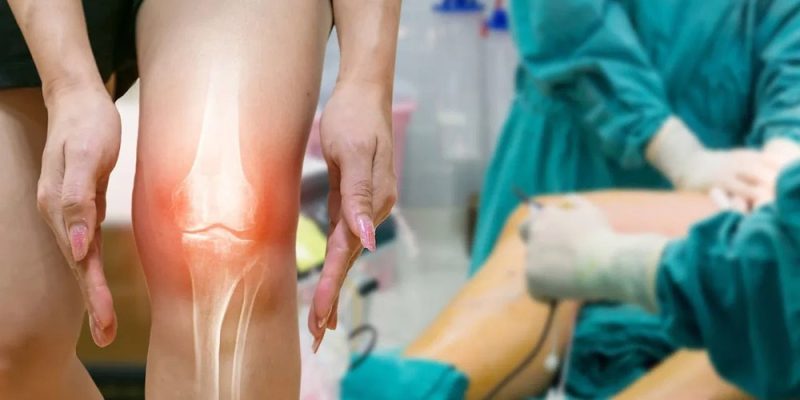
When knee, shoulder, or ankle pain keeps coming back, people will obviously start looking for help. The ortho care hospital in Sri Ganganagar can help you understand whether arthroscopy is needed or if the problem can be managed with medicines and physiotherapy.
Arthroscopy is where doctors use a tiny camera and fine instruments to examine the joint. The procedure is commonly used for sports injuries, cartilage tears, and certain ligament problems.
As there are many myths around the procedure, we’ll help you with what is true, what is not, and what to expect in real life.
First, What Makes Arthroscopy “Safe”?
Arthroscopy is generally safe when it’s recommended for the right problem, after proper checks, and followed by good aftercare. Like any procedure, there can be risks, but they are usually low when it’s done by an experienced team, and you follow the recovery advice.
That being said, arthroscopy won’t “fix” every kind of joint pain. It works best when there’s a cartilage tear or damaged tissue inside the joint.
Myth vs Fact: The Misconceptions
Myth 1: “Arthroscopy is major surgery.”
Fact: It involves small cuts. Patients often go home the same day, or after a short stay, depending on the joint and the type of repair.
Myth 2: “Arthroscopy is Always Done for Arthritis.”
Fact: Arthritis is mainly wear-and-tear. Arthroscopy may help in selected cases (like loose fragments or specific cartilage problems), but it is not the first solution for all arthritis. A good doctor checks X-ray/MRI findings and symptoms before suggesting it.
Myth 3: “It Will Leave a Big Scar.”
Fact: The cuts are small. If there are scars, they will typically fade with time.
Myth 4: “If arthroscopy is advised, replacement is next.”
Fact: Not necessarily. Doctors generally carry out the procedure in case of sports injuries and ligament tears. Joint replacement is only for when the damage is advanced, and other options do not help.
Myth 5: “Rest is enough. Physiotherapy is optional.”
Fact: Rehab is a major part of recovery. The procedure is a success if the doctors guide the patient with exercises to restore strength, flexibility, and confidence in movement.
When Arthroscopy is Commonly Advised
Doctors usually consider arthroscopy when symptoms match a joint problem that can be treated from inside the joint, such as:
- Meniscus (cartilage) tear in the knee
- Certain ligament injuries
- Shoulder issues like labral tears or impingement-related damage
- Loose pieces inside the joint causing locking or catching
- Swelling and pain that do not settle even after a structured non-surgical plan
Clinical examination and imaging (often MRI) help decide suitability.
What are the real risks?
It’s better to understand the risks clearly rather than assume there are none.
Possible risks include:
- Infection (rare, but possible)
- Bleeding or swelling
- Stiffness in the case of delayed rehab
- Blood clots (higher risk in some patients)
- Incomplete relief if the main cause was not treatable through arthroscopy
This is why choosing the right patient and right indication matters. A responsible surgeon explains what arthroscopy can realistically fix and what it cannot.
What Recovery Usually Looks Like
Recovery depends on the joint and what was done inside. A simple clean-up is different from a repair.
In general:
- Pain relief with time
- Walking improvement with knee problems gradually going away; may take some time to feel comfortable again
- Doctors recommend physiotherapy to avoid stiffness.
- Return to sports or heavy work is planned only after strength and stability return
Pushing too soon can slow healing. Skipping rehab can make recovery longer.
How to Know If the Recommendation is Appropriate
Before agreeing, it helps to ask a few simple questions:
- What exactly is the diagnosis?
- Can non-surgical care be tried first?
- What will be done during arthroscopy: repair or clean-up?
- What improvement is expected, and by when?
- What rehab plan is needed, and for how long?
These questions reduce fear and prevent unrealistic expectations.
Where Care Quality Stands Out
Arthroscopy is successful when the diagnosis is correct, the surgeon is experienced, and rehab support is provided.
A centre that regularly handles sports injuries, spine and joint problems, and post-procedure physiotherapy makes follow-ups smoother and recovery more organised.
For people looking for the best orthopedic doctor in Sri Ganganagar, and the surrounding areas, it helps to check if imaging, anesthesia support, and physiotherapy are available in the same place, so treatment does not feel scattered.
Conclusion
Arthroscopy can work wonders when carried out for the right joint problem and if proper rehabilitation follows. Accurate diagnosis, realistic expectations, and a structured recovery plan make the difference. In Sri Ganganagar, choosing a centre that offers sports injury care, arthroscopy support, imaging, and physiotherapy under one roof can make treatment and follow-ups much easier.
The best bone and joint care orthopedic hospital in Sri Ganganagar can guide patients from diagnosis to recovery with clear steps and consistent rehab.










Comments