 By
By 
What is Plasma Donation and Why is it Crucial?
The Lifeblood of Medical Treatments
Plasma donation plays a pivotal role in the healthcare system, serving as a lifeline for numerous medical treatments and therapies. Plasma, the yellowish fluid component of blood, comprises about 55% of total blood volume. It is rich in proteins, antibodies, and other essential components crucial for bodily functions, such as clotting blood and fighting infections. A critical aspect of plasma is its role in the preparation of various life-saving medical products, including immunoglobulins for immune deficiency diseases, clotting factors for hemophilia, and albumin for trauma and burn victims. Without adequate supplies of plasma, many patients would face serious health risks, making donations not only beneficial but essential for the sustainability of healthcare services.
How Plasma Donations Save Lives Every Day
Every day, plasma donations contribute to an array of treatments for patients suffering from chronic conditions or acute medical crises. For instance, individuals with autoimmune diseases such as lupus or multiple sclerosis often rely on plasma-derived therapies to manage their symptoms and improve their quality of life. Additionally, trauma patients require transfusions of plasma products to stabilize their blood loss and facilitate recovery. With an ever-growing need for plasma products due to an increase in surgical procedures and the prevalence of chronic diseases, each donation is a vital contribution to public health. The sheer volume of patients relying on these donations highlights the crucial nature of each individual’s decision to participate in plasma donation programs.
The Plasma Donation Process: What to Expect
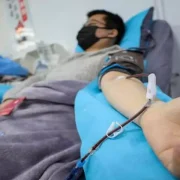
The plasma donation process, while straightforward, is often misunderstood. Initially, potential donors must undergo a thorough screening process, which includes a physical examination, a health questionnaire, and testing of vital signs to ensure they are fit for donation. Once deemed eligible, the process typically lasts about 90 minutes, during which the donor is seated comfortably. A needle is inserted into one arm, and blood is drawn, separating the plasma while returning red blood cells and other components back into the donor’s circulation through the same needle. This process, known as plasmapheresis, is regulated to ensure safety and comfort and allows for the collection of large volumes of plasma in a single session.
Common Disqualifications: Am I Eligible to Donate?
An Overview of Health-Related Disqualifications
A significant factor that affects many potential donors is health-related disqualifications, which come into play based on the donor’s medical history and current health status. Specific health conditions, such as chronic infections, autoimmune diseases, certain cancers, and any conditions affecting the heart or liver, can disqualify an individual from donating plasma. Even conditions like recent surgeries or significant allergic reactions can lead to temporary disqualification as they may compromise the donor’s safety or the quality of the collected plasma. It’s important for donors to be fully transparent about their health history during the screening process, as this not only ensures their safety but also enhances the safety of recipients reliant on plasma-derived products.
Travel History and Its Impact on Your Donation Eligibility
Travel history is another critical component of the eligibility criteria for plasma donation. Public health guidelines are cautious regarding donors with recent travel to areas affected by infectious diseases, such as Zika virus, malaria, or other vector-borne illnesses. For instance, travelers to endemic regions are usually subjected to a deferral period ranging from weeks to several months based on their destination and the diseases prevalent in those areas. This precautionary measure is vital in preventing the transmission of infections through plasma products, which could jeopardize the health of patients in need. Donors are encouraged to inform donation centers of any recent travel to ensure compliance with health regulations and maintain the integrity of the donation process.
Medications and Procedures That Could Deter You
Many individuals are unaware that certain medications can impact their eligibility to donate plasma, often causing confusion among prospective donors. While some medications are permissible, others may lead to temporary or permanent disqualification. For instance, individuals taking blood thinners or any medications that affect liver function may be barred from donating due to potential complications. Similarly, recent medical procedures, such as surgeries or vaccinations, can impose waiting periods before resuming donation activities—often referred to as deferrals. Being knowledgeable about the implications of medications and medical interventions on one’s eligibility is crucial for those who wish to donate plasma. Consulting with medical professionals and donation center staff can clarify potential disqualifications associated with medications.
Understanding Time-Sensitive Disqualifications
Recent Illnesses: The 28-Day Rule
Understanding the criteria surrounding recent illnesses is paramount for plasma donors. The 28-day rule is a well-known guideline stating that individuals who have experienced certain infections or illnesses must wait at least 28 days post-recovery before they can be eligible to donate plasma. Common infectious diseases, including flu, colds, or gastrointestinal infections, typically qualify under this rule to ensure the donor has adequately recovered and is free from any contagious elements that might jeopardize the safety of both the donor and recipient. Adhering to this waiting period reflects a commitment to enhancing public health and maintaining the highest standards in plasma collection.
The Importance of Recovery Time Post-Donation
After donating plasma, it is equally important to allow adequate recovery time before donating again. Although plasma donation is safe and regulated, the body needs time to replenish lost plasma volume and restore levels of protein and electrolytes. Most donation centers recommend a waiting period of at least 28 days between plasma donations, which is not only a guideline but a fundamental aspect of ensuring donor safety and wellness. Following this recommendation helps prevent dehydration, fatigue, and other potential side effects associated with plasma donation and reinforces the wellbeing of donors who continuously commit to this altruistic act.
Understanding Deferral Periods: What You Need to Know
Deferral periods represent a vital component in understanding plasma donation eligibility. These periods differ based on various factors, including specific health conditions, travel history, and medical interventions. For instance, individuals who have recently undergone a surgical procedure may endure a deferral period that ranges from weeks to months based on the procedure’s nature and severity. It is essential for potential donors to be aware of the specifics regarding deferral periods to avoid misunderstandings. Consulting donation center guidelines and actively engaging in open dialogues with medical professionals can provide clarity to potential donors, enabling them to make informed decisions about their eligibility to donate plasma.
Overcoming Disqualifications: Your Path Forward
Addressing Common Concerns with Medical Guidance
Navigating the world of plasma donation can often be daunting, particularly when faced with disqualifications. The first step to overcoming any obstacles is to seek medical guidance. Engaging with healthcare professionals can help address common concerns about medical history, medications, and underlying health conditions. A comprehensive discussion with a medical expert can provide clarity and reassurance regarding one’s ability to donate plasma safely. They can offer recommendations for alternative medical treatments or options that might alleviate disqualification issues while ensuring the health of the donor and the future recipients.
Reassessing Your Eligibility: When to Reapply
For those disqualified from donating plasma due to specific medical conditions, it is important to regularly reassess eligibility. Health statuses can change over time, and many individuals experience significant improvements in their health that can lead to renewed eligibility. Regular check-ups with healthcare providers can facilitate this process, allowing individuals to stay informed about their health condition and when they might be able to donate plasma again. Ultimately, knowledge is power, and understanding the timeline regarding a return to plasma donation can help foster an ongoing commitment to sharing life through plasma donation.
The Importance of Open Conversations with Donation Centers
Transparency and communication with donation centers are vital in navigating plasma donation disqualifications. Donor centers are equipped to answer questions and address concerns regarding eligibility, and their staff are dedicated to ensuring the safety and well-being of both donors and recipients. Engaging in an open dialogue can help clarify instances of potential disqualifications based on personal health, recent excursions, or medications. Moreover, proactive conversations can uncover previously unknown eligibility options or alternative donation programs that may apply. By fostering a relationship with the donation center, individuals can maximize their chances of contributing to this noble cause while ensuring they adhere to the safety standards established within the plasma donation community.




Comments